

Capacity and Efficiency:
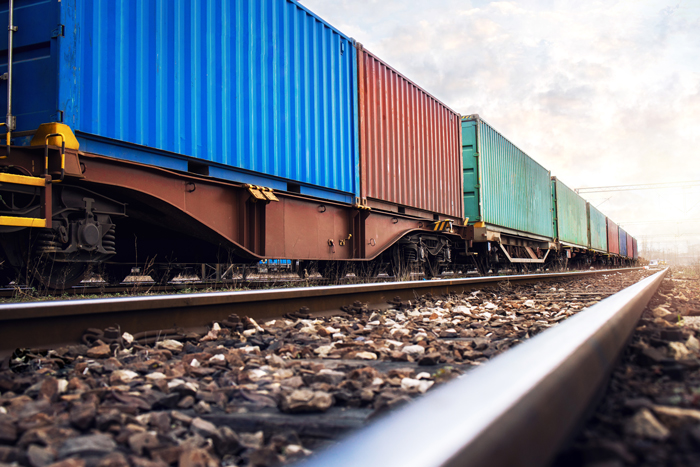
Rail transport services have the ability to carry large volumes of passengers and freight, reducing congestion on roads and highways. Trains can accommodate more passengers or cargo compared to individual vehicles, resulting in efficient use of resources and reduced energy consumption.

Environmental Sustainability:
Rail transport is considered a more sustainable mode of transportation compared to road or air transport. Trains have lower carbon emissions per unit of transported goods or passengers, contributing to reduced air pollution and greenhouse gas emissions. They also consume less energy compared to other modes of transport.

Reliability and Safety:
Railways are known for their reliability and safety standards. Trains operate on fixed tracks, reducing the likelihood of accidents due to collisions or human errors. Rail transport services adhere to strict safety protocols, ensuring the well-being of passengers and the secure transportation of goods.